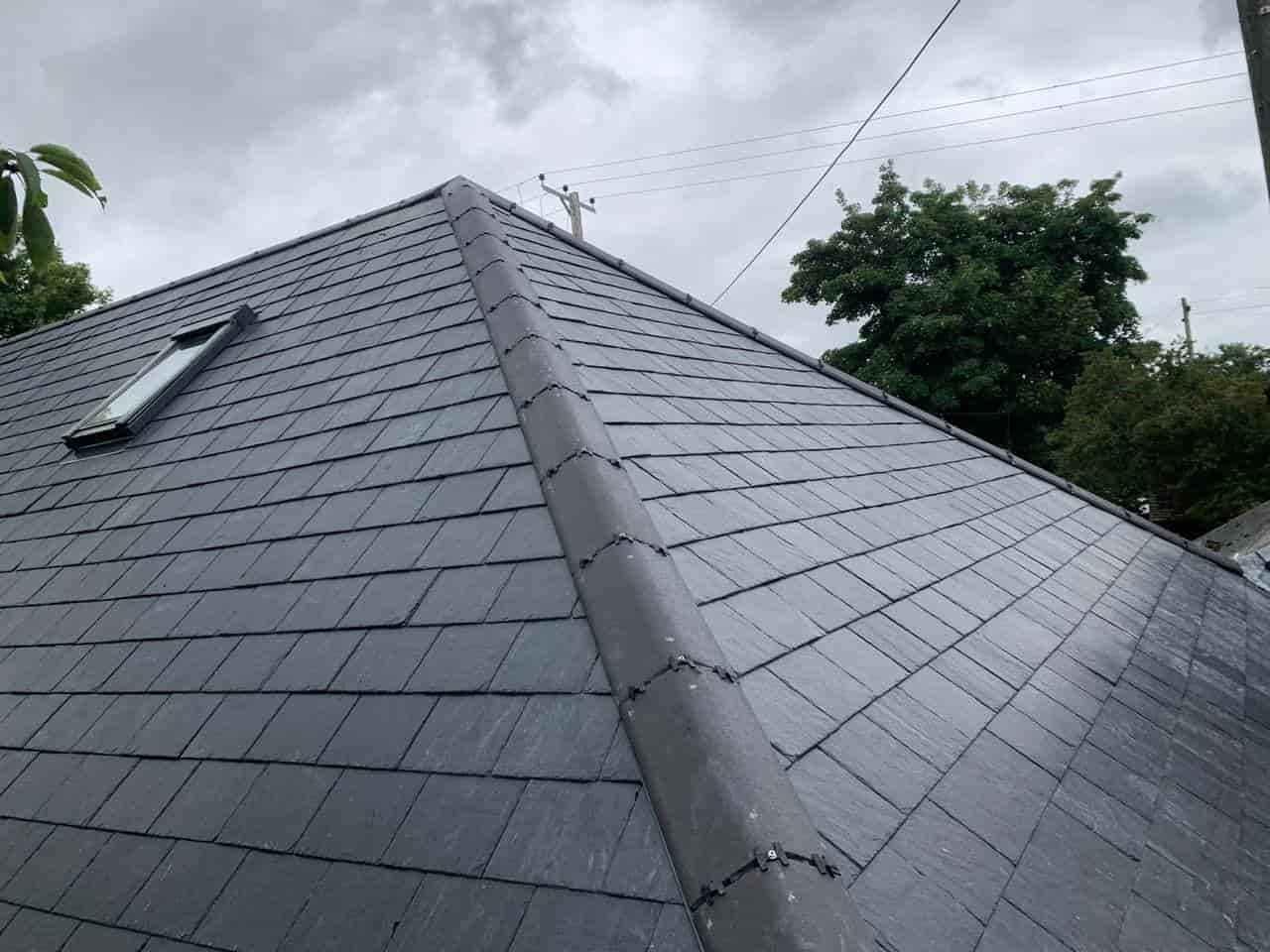
It can be concerning when a roof that has performed reliably for years suddenly begins showing several minor problems at once. One month there may be a slipped tile, followed by deteriorating mortar, a small leak or an issue with flashing. Although these defects may appear unrelated, multiple problems developing within a relatively short period can indicate that the roofing system is entering a stage of broader deterioration.
For homeowners in Folkestone, Kent, recognising what repeated minor defects may be telling you about the overall condition of your roof is important. Individual repairs can often resolve localised problems, but when defects become increasingly frequent, a professional assessment can establish whether there is a wider underlying cause.
Ageing Materials Often Deteriorate at a Similar Time
A roof is made up of numerous components, many of which were installed at the same stage of the property’s construction or during previous roofing work.
As these materials age, deterioration can begin affecting several areas within a similar period.
You might notice:
- Cracked or slipped tiles
- Weathered ridge details
- Deteriorating mortar
- Loose flashing
- Small areas of water ingress
- General surface wear
Rather than several completely separate problems appearing by coincidence, the roof may simply be reaching a point where multiple components are showing the effects of age.
Weather Can Expose Existing Weaknesses
Roof defects do not always develop during severe weather. In many cases, weaknesses already exist but have not yet become noticeable.
Periods of heavy rainfall or strong winds can expose these vulnerable areas. A slightly loose tile may move, deteriorated flashing may begin allowing moisture through, or weakened mortar may start breaking away.
This is why several defects can sometimes become apparent after the same period of poor weather.
Temperature Changes Gradually Affect Roofing Materials
Roofing materials experience repeated expansion and contraction as temperatures change.
Over many years, this natural movement can contribute to:
- Small cracks
- Loose fixings
- Deteriorating joints
- Movement around flashing
- Weakening mortar
These changes generally happen gradually, but once materials have reached a certain level of deterioration, several minor problems may become visible relatively close together.
One Defect Can Place Pressure on Surrounding Areas
Roofing components work together as a complete system. A problem affecting one area can sometimes increase the strain placed on neighbouring materials.
For example, a displaced tile may expose surrounding areas to additional rainwater. Damaged mortar may allow adjacent tiles to become less secure, while blocked drainage can expose roof edges to excessive moisture.
This means one neglected defect can sometimes contribute to further deterioration nearby.
Small Leaks May Have a Larger Underlying Cause
A minor internal water mark may seem to indicate a small leak, but water does not necessarily travel directly downwards from the point where it enters the roof.
Moisture can move along underlay, timbers or other surfaces before becoming visible inside the property.
If several damp areas begin appearing, the roof should be inspected carefully to determine whether there are multiple isolated leaks or a wider problem affecting its weatherproofing.
Previous Repairs May Be Reaching the End of Their Useful Life
Roofs that have received numerous repairs over the years can contain materials of different ages and conditions.
Earlier repairs may have successfully extended the roof’s serviceable life, but eventually surrounding original materials can begin deteriorating. Older repaired sections themselves may also require further attention after prolonged weather exposure.
When repair requirements become increasingly frequent, assessing the roof as a complete system becomes particularly important.
Drainage Problems Can Cause Multiple Symptoms
Not every roofing problem begins with the roof covering itself.
Blocked or poorly functioning gutters can prevent rainwater from being carried away effectively. Excessive moisture around roof edges can then contribute to deterioration in several nearby components.
Signs may include:
- Overflowing gutters
- Damp roofline areas
- Deteriorating fascias
- Water staining
- Increased moss or organic growth
Maintaining effective drainage therefore plays an important role in protecting the wider roofing system.
Moss Can Contribute to Ongoing Deterioration
Heavy moss growth can retain moisture and collect around tile edges, joints and gutters. As sections loosen, moss and debris may also enter the drainage system.
Moss does not automatically mean a roof is failing, but substantial growth alongside other signs of deterioration deserves professional attention.
The underlying condition of the roofing materials should be assessed rather than assuming cleaning alone will resolve every issue.
Are Repeated Small Repairs a Warning Sign?
Occasional roof repairs are normal. A single broken tile or isolated flashing defect does not necessarily indicate a wider problem.
The pattern becomes more significant when new issues continue appearing in different parts of the roof.
Questions worth considering include:
- Are repairs becoming more frequent?
- Are defects appearing across several areas?
- Have leaks started recurring?
- Are numerous roofing materials showing their age?
- Does each repair seem to be followed by another problem?
If the answer to several of these questions is yes, a broader roof assessment may be more useful than continuing to treat each defect independently.
Why a Full Roof Inspection Is Valuable
When several small problems develop, identifying the individual defects is only part of the job. The more important question is why they are occurring.
A professional inspection can assess the condition of:
- Tiles or slates
- Ridge and verge areas
- Flashing
- Roof junctions
- Gutters and roofline components
- Visible underlying materials
- Areas showing signs of water ingress
Looking at the roof as one complete system helps establish whether localised repairs remain appropriate or whether more extensive attention should be considered.
The Value of Professional Roofing Services in Folkestone
Repeated minor defects should not automatically lead to the assumption that an entire roof requires replacement. Equally, continually repairing individual symptoms without considering their underlying cause may allow wider deterioration to continue unnoticed.
At Folkestone Roofing Services, we provide professional roof inspections and repairs throughout Folkestone, Kent. We assess both the immediate defect and the wider condition of the roofing system so that appropriate work can be recommended based on what the roof actually requires.
This considered approach helps homeowners address developing problems at the right stage and maintain dependable protection for their property.
Conclusion
When several small roofing defects suddenly begin appearing, they may be connected by a common underlying issue. Ageing materials, prolonged weather exposure, drainage problems, previous repairs and general deterioration can all cause multiple components to begin requiring attention within a similar period.
The important point is to look beyond each individual defect and consider what the pattern says about the condition of the roof as a whole.
For homeowners in Folkestone, Kent, Folkestone Roofing Services can provide a professional assessment when roofing problems are becoming more frequent. Identifying the reason behind repeated defects allows suitable repairs or maintenance to be planned before small concerns have the opportunity to develop into more extensive roofing problems.
Call us on: 01303 761494
Click here to find out more about Folkestone Roofing Services
Click here to complete our contact form and see how we can help with your roofing needs.